BACK TO blog list
New MHP Pet Food Production Facility Developed Within an Existing Industrial Building Worth €43 Million
3 min read
Share
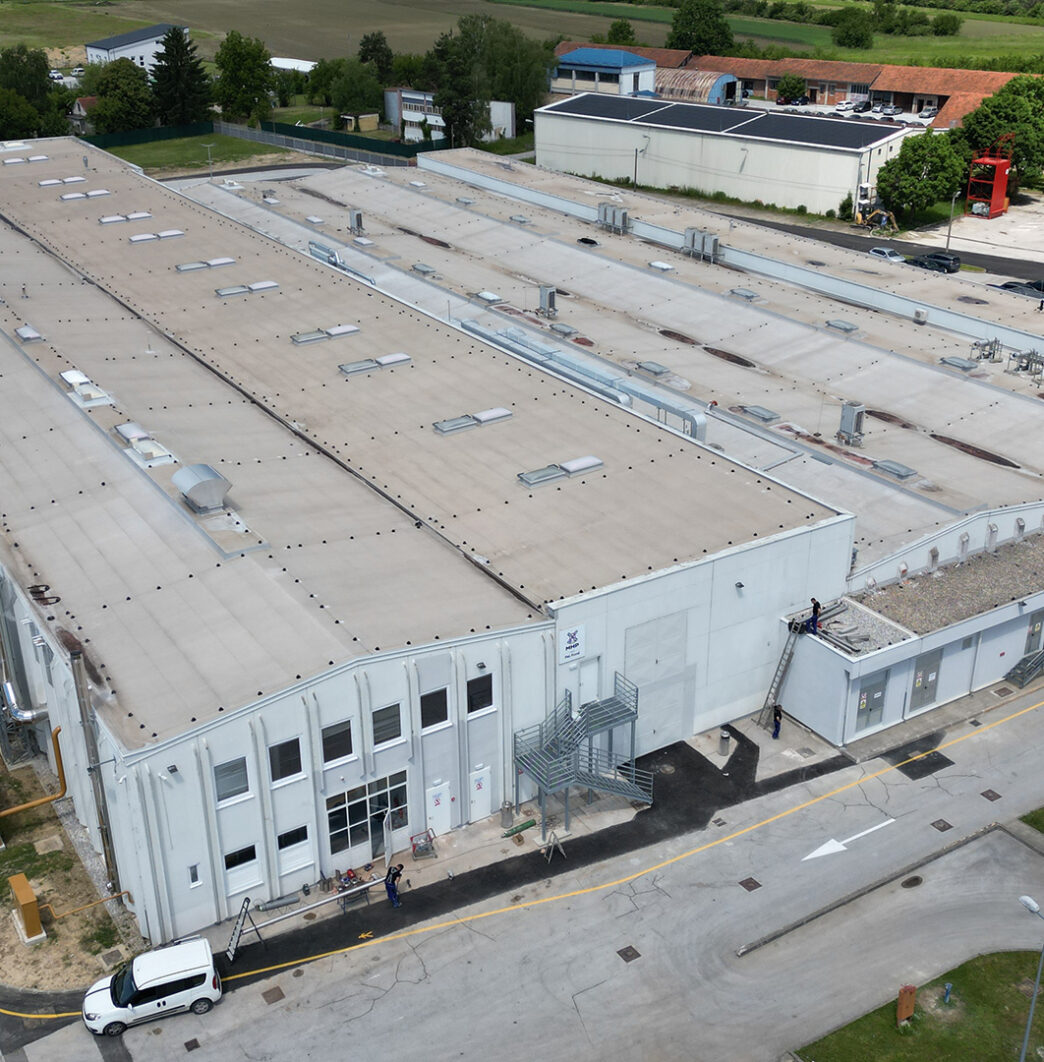
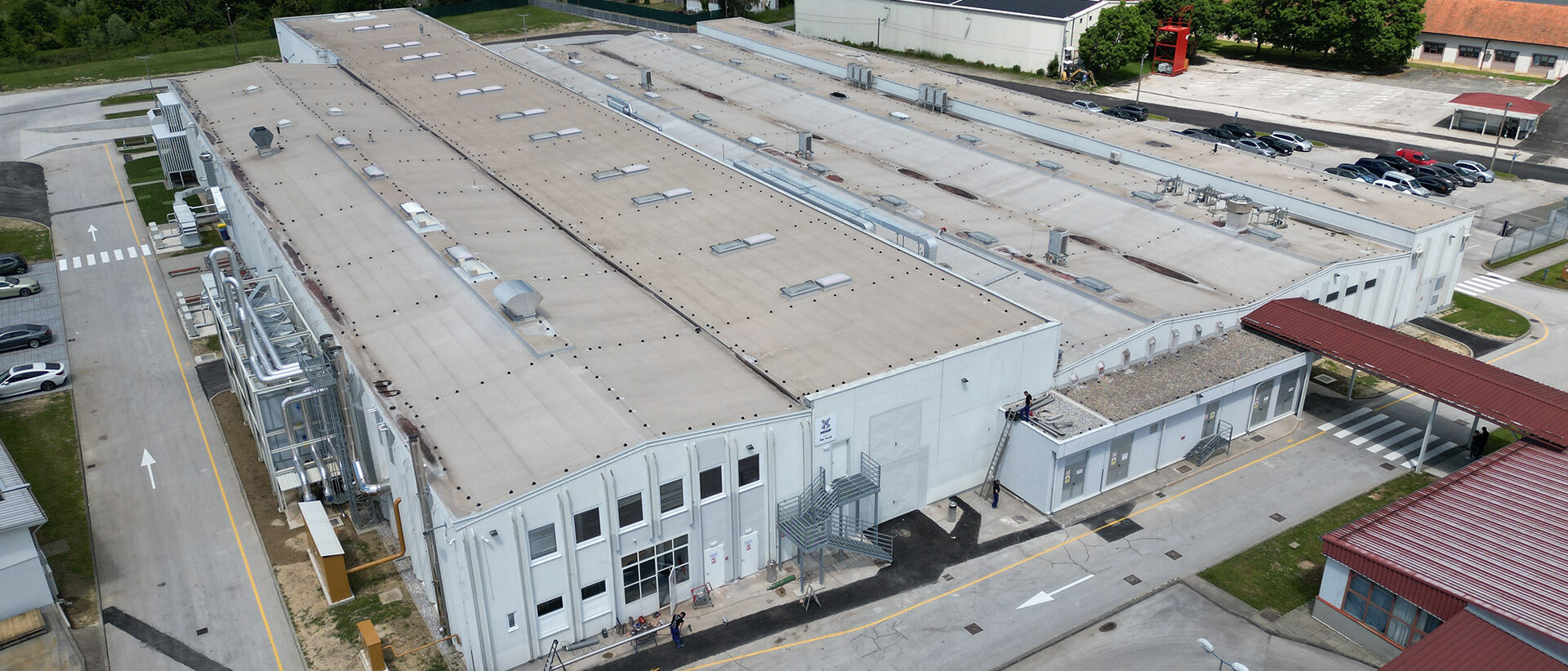
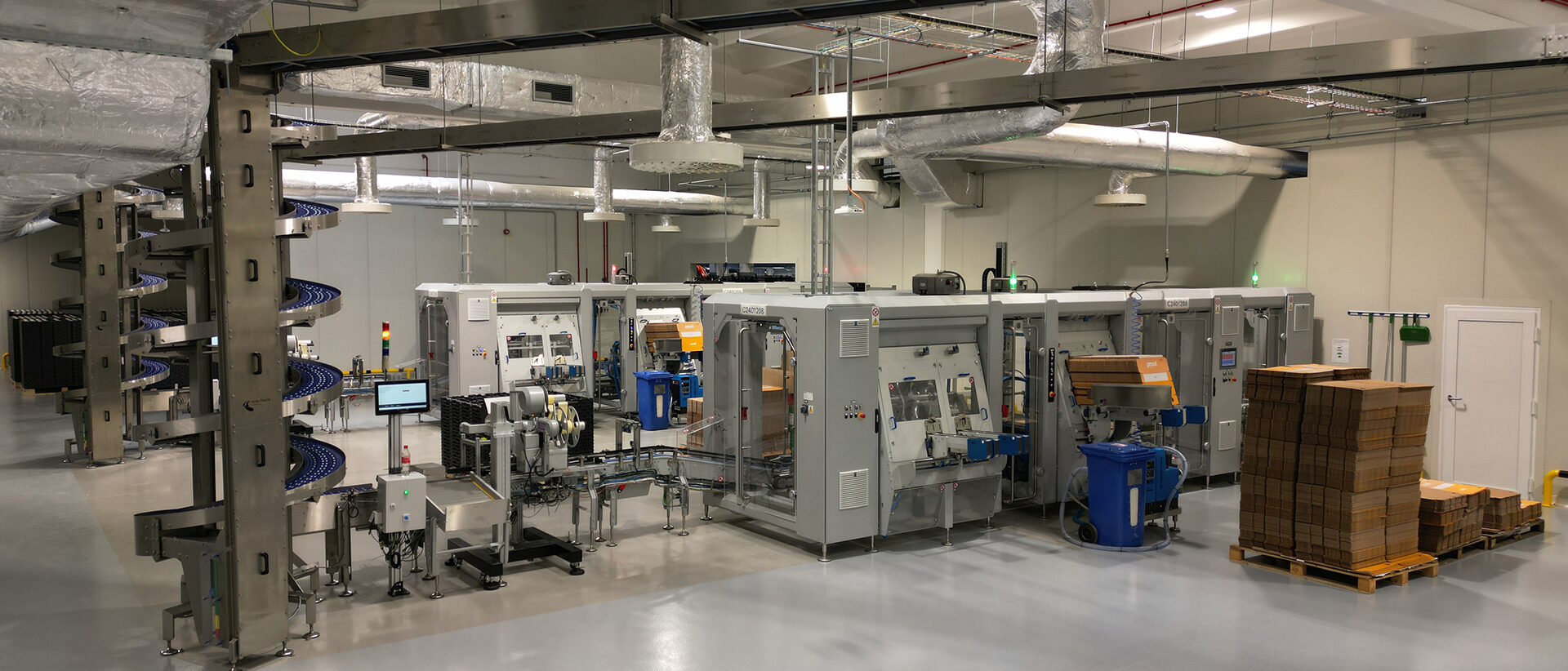
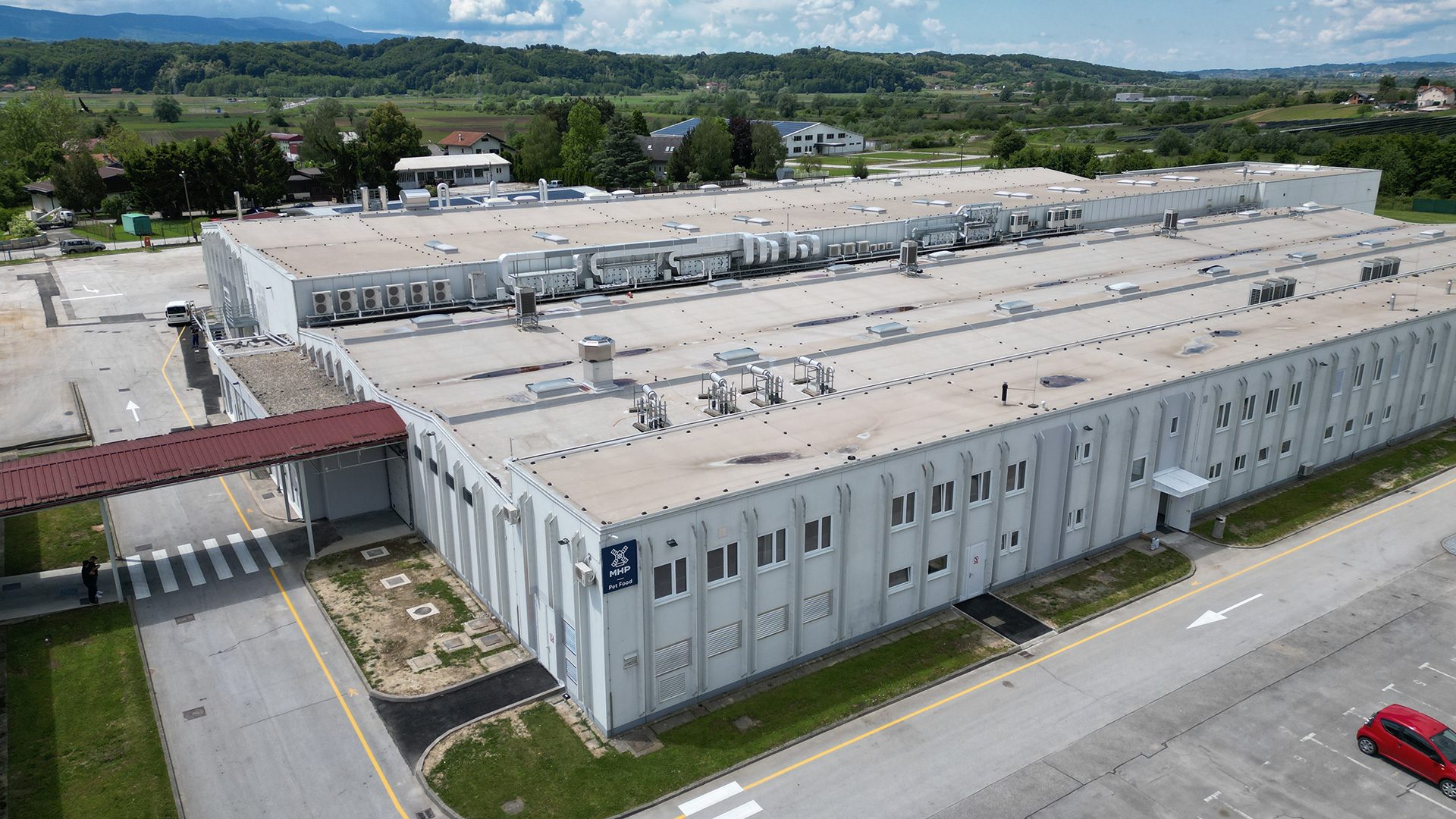
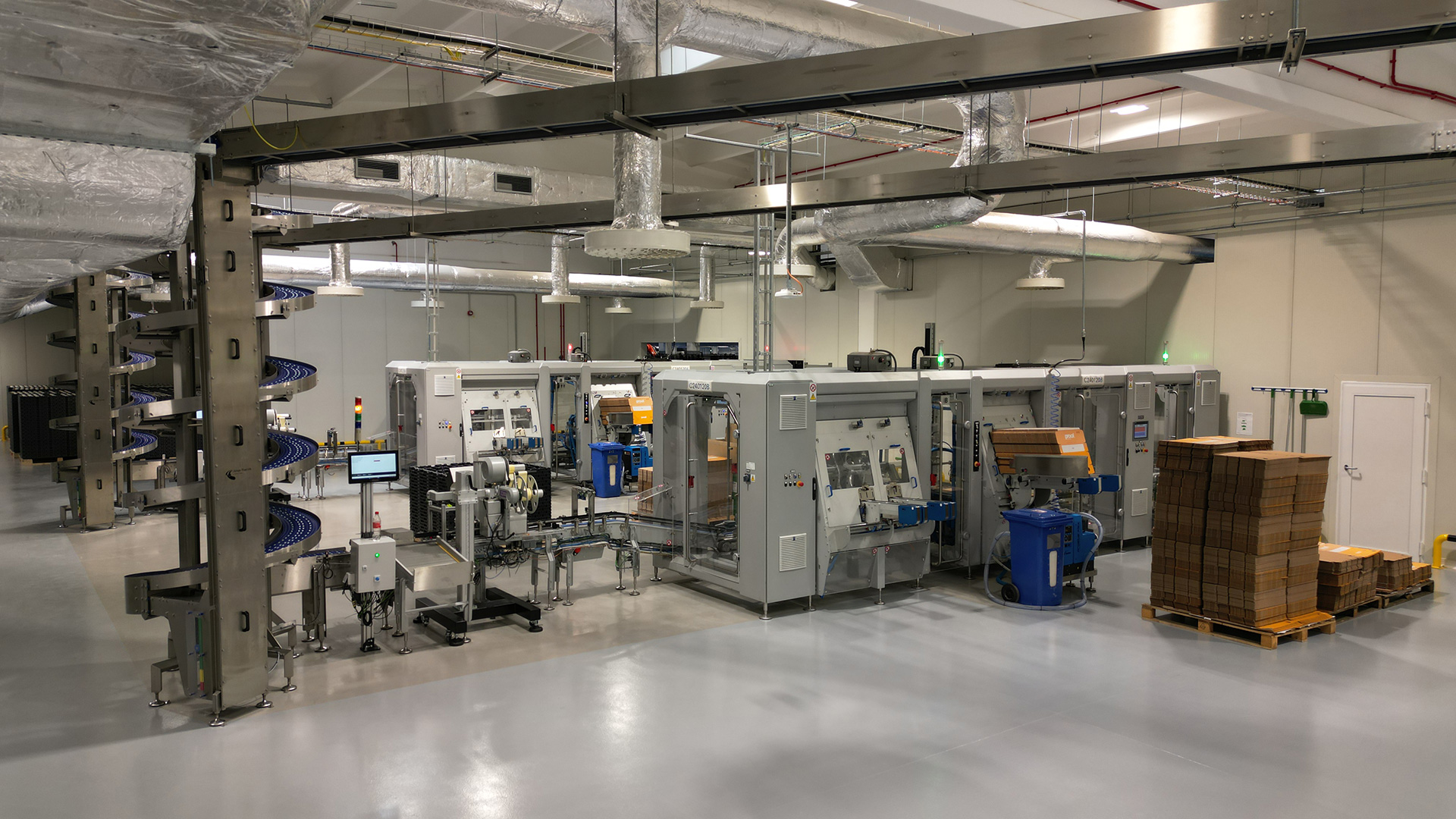
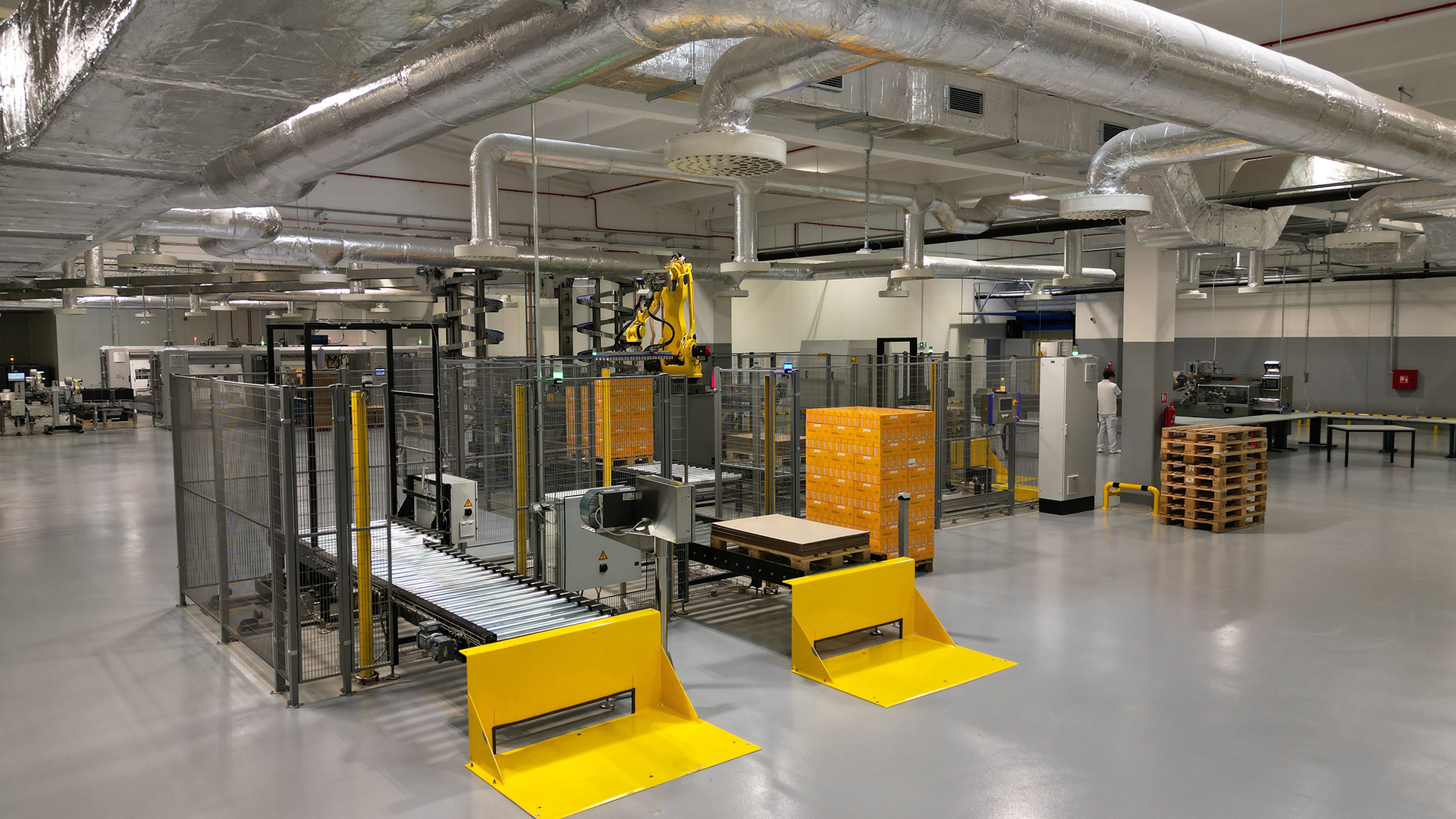
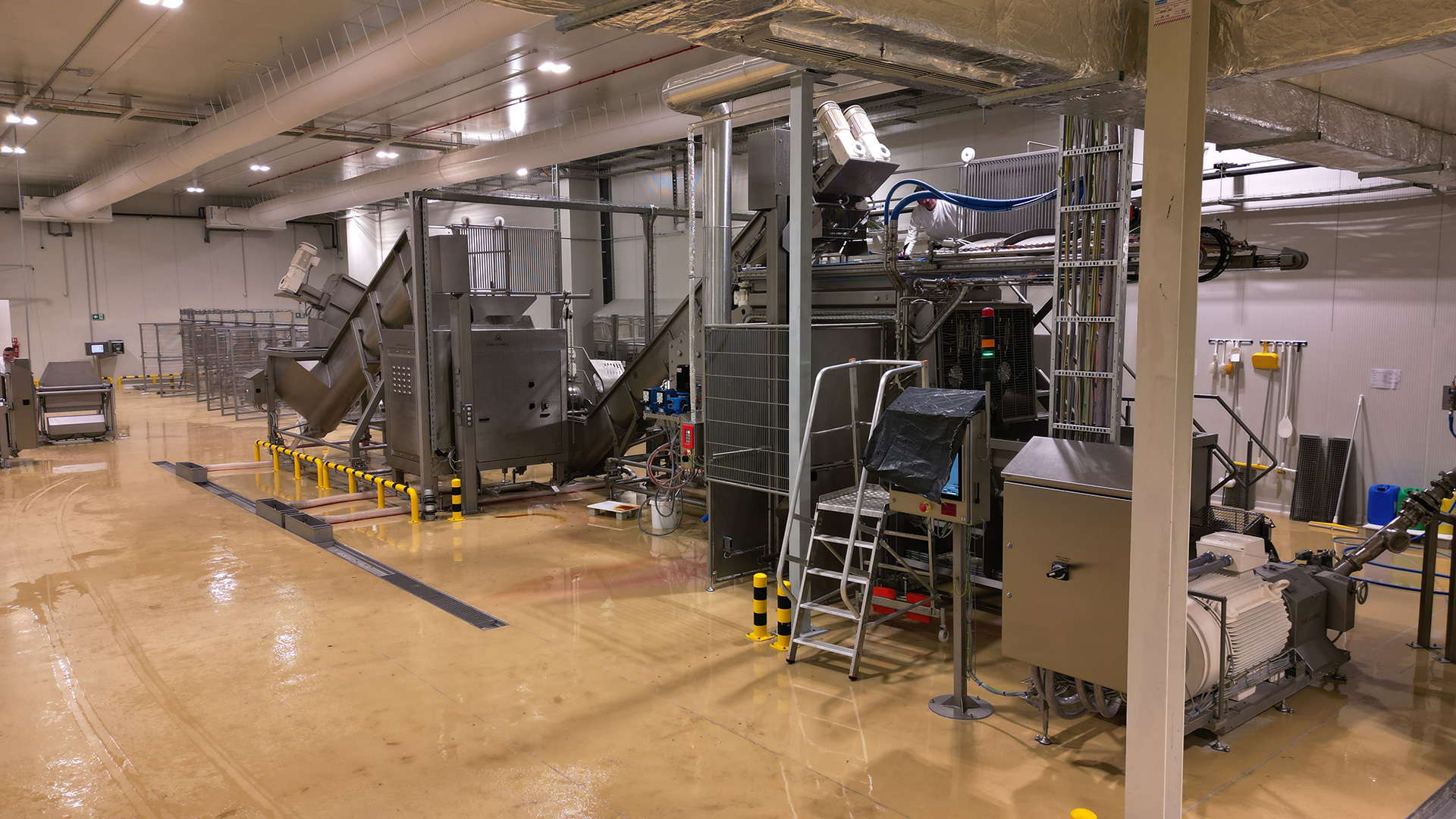
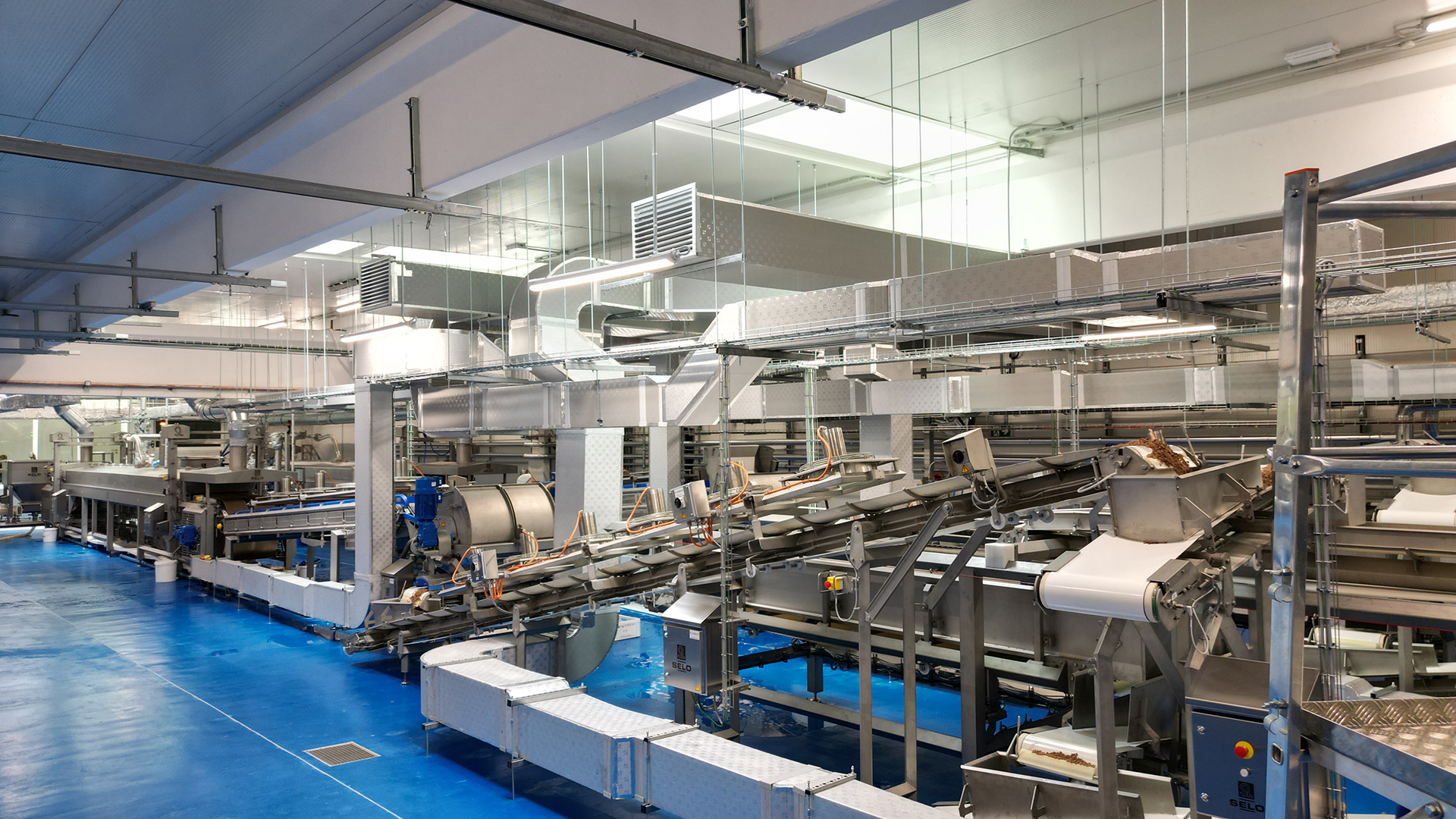
In industrial projects, the biggest challenge is often not the new technology itself, but the existing building that needs to accommodate it. That was precisely the case with the new MHP Pet Food production facility developed for MHP Group and Perutnina Ptuj. An existing industrial hall with a total net area of 9,699.66 m², originally designed for a completely different type of production, had to be adapted within a very short timeframe to a new manufacturing process, significantly higher technological loads, new infrastructure systems and production equipment that was being installed in parallel with construction works. The €43 million investment was delivered under extremely demanding timelines. Design development, environmental approvals, EOTRP and the final building permit were completed within just five and a half months, while construction of the production facility itself was finalised within 12 months, without delays to equipment installation. From the earliest project phases, it was clear that adapting the existing industrial hall to new infrastructure and technological requirements would represent the most demanding part of the process. The building had originally been designed for a “dry” production process, while the new facility required a wet production process, completely new drainage infrastructure, frozen storage areas and significantly higher loads generated by production equipment.
New Infrastructure Developed Within an Existing Structure
In order for the new production process to function, more than two kilometres of trenches for new drainage systems, channels and piping had to be constructed inside the existing hall. All works were carried out within the existing structure and in a highly restricted space, which meant that construction, installation and technological works had to run in parallel and remain continuously coordinated throughout the project. Industrial retrofits of this type are among the more demanding areas of industrial design today because new manufacturing technologies must be integrated into existing dimensions, structures and infrastructure that were never intended for current production requirements.
A New Mezzanine Structure Solved Production Space Constraints
Alongside the infrastructure works, the organisation of the production process inside the existing hall also had to be resolved. Since there was insufficient space within the building to accommodate the full production layout, an integrated composite mezzanine structure with a surface area of 917 m² was designed and constructed. The mezzanine combined steel and concrete construction in order to withstand heavy production equipment loads while also enabling faster execution within the compressed construction schedule. The project also included the construction of a frozen storage chamber operating at -20 °C within a building that had not originally been designed for such temperature regimes or production loads. Additional structural reinforcements of the existing hall were therefore required.
Construction Works and Equipment Installation Took Place Simultaneously
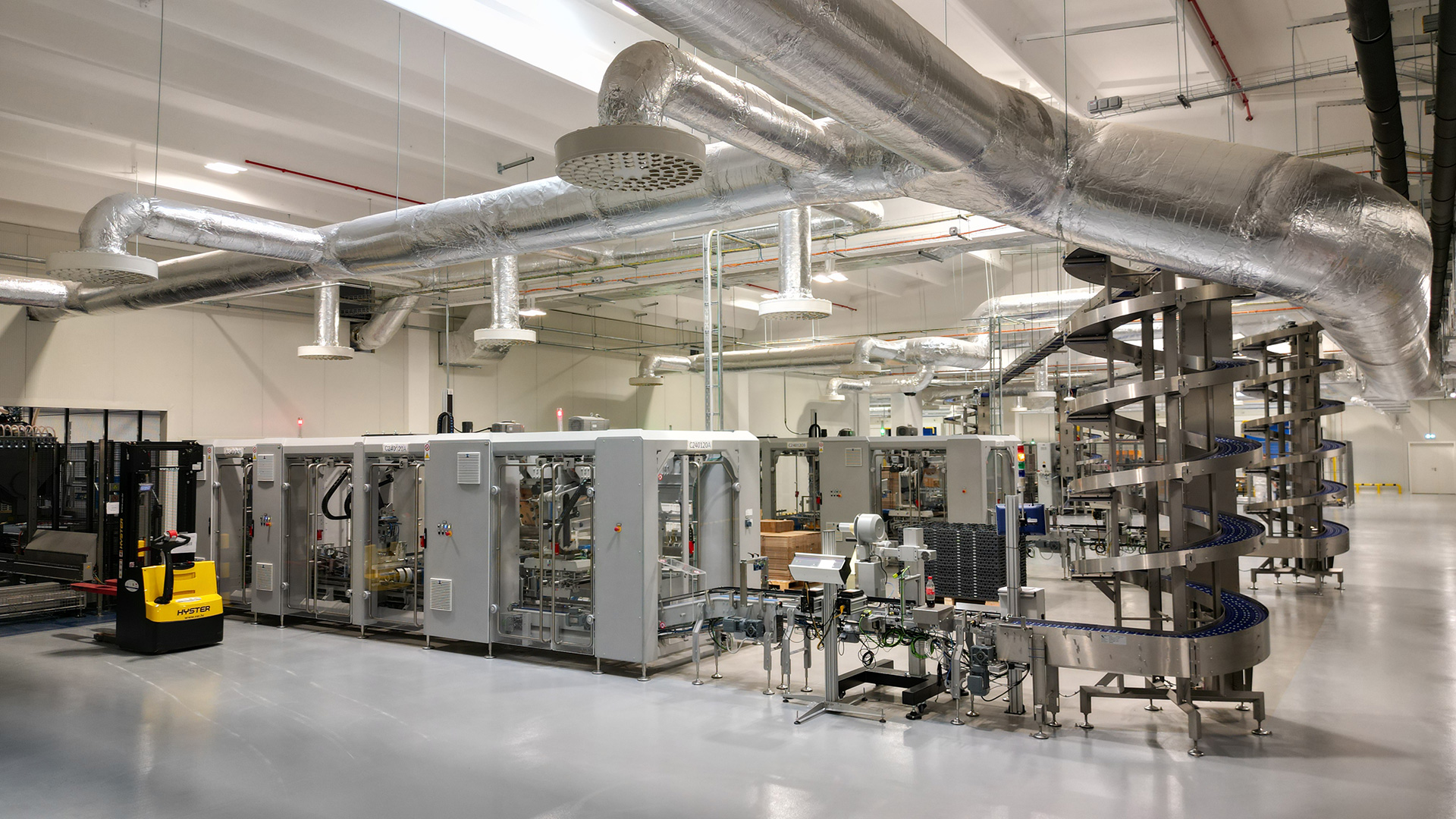
Project execution became even more complex because production equipment was delivered and installed during the construction phase itself. Construction, installation and technological works therefore had to adapt continuously to predefined equipment installation schedules in order to maintain the planned project timeline. This type of execution requires extremely precise coordination between designers, contractors, installers and technology teams, since delays in one segment directly affect multiple subsequent phases of the project. Production equipment installation was completed without a single day of delay.
Cooling System Developed for Lower Energy Consumption
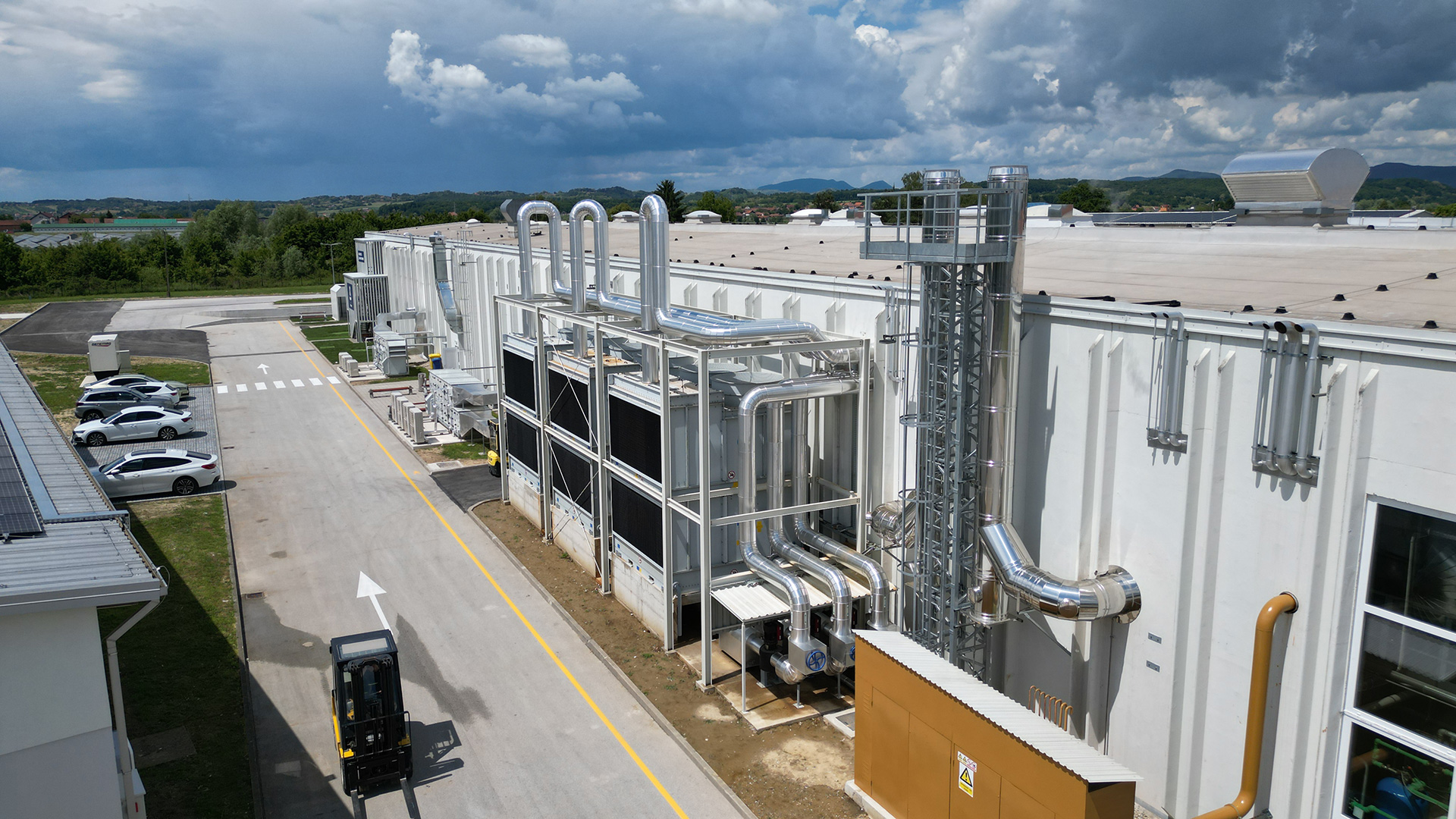
The cooling system developed for the production facility combines cooling towers and CO2 refrigeration units – an uncommon but significantly more energy-efficient solution. Cooling towers are used during lower outdoor temperatures, while CO2 refrigeration units operate when temperatures exceed 16 °C. The system enables energy savings of up to 20% while also reducing noise emissions towards nearby residential areas, which was particularly important due to the facility’s proximity to housing zones.
Industrial Investments Increasingly Focus on Existing Buildings
An increasing number of industrial and manufacturing investments today are being developed through the adaptation of existing industrial buildings rather than through entirely new greenfield construction projects, particularly in the food and process industries. Projects of this type require simultaneous understanding of manufacturing processes, industrial infrastructure, energy systems and construction execution under highly compressed timelines. Projects involving adaptation of existing infrastructure to new technologies, fast-track execution schedules and parallel installation of production equipment have become an increasingly important segment of the work developed by Lotus Architecti and Lad1 Studio.
DJI_0260
Gallery

read