BACK TO blog list
Reconstruction of the Perutnina Ptuj industrial complex: A project reshaping the food industry in the region
3 min read
Share
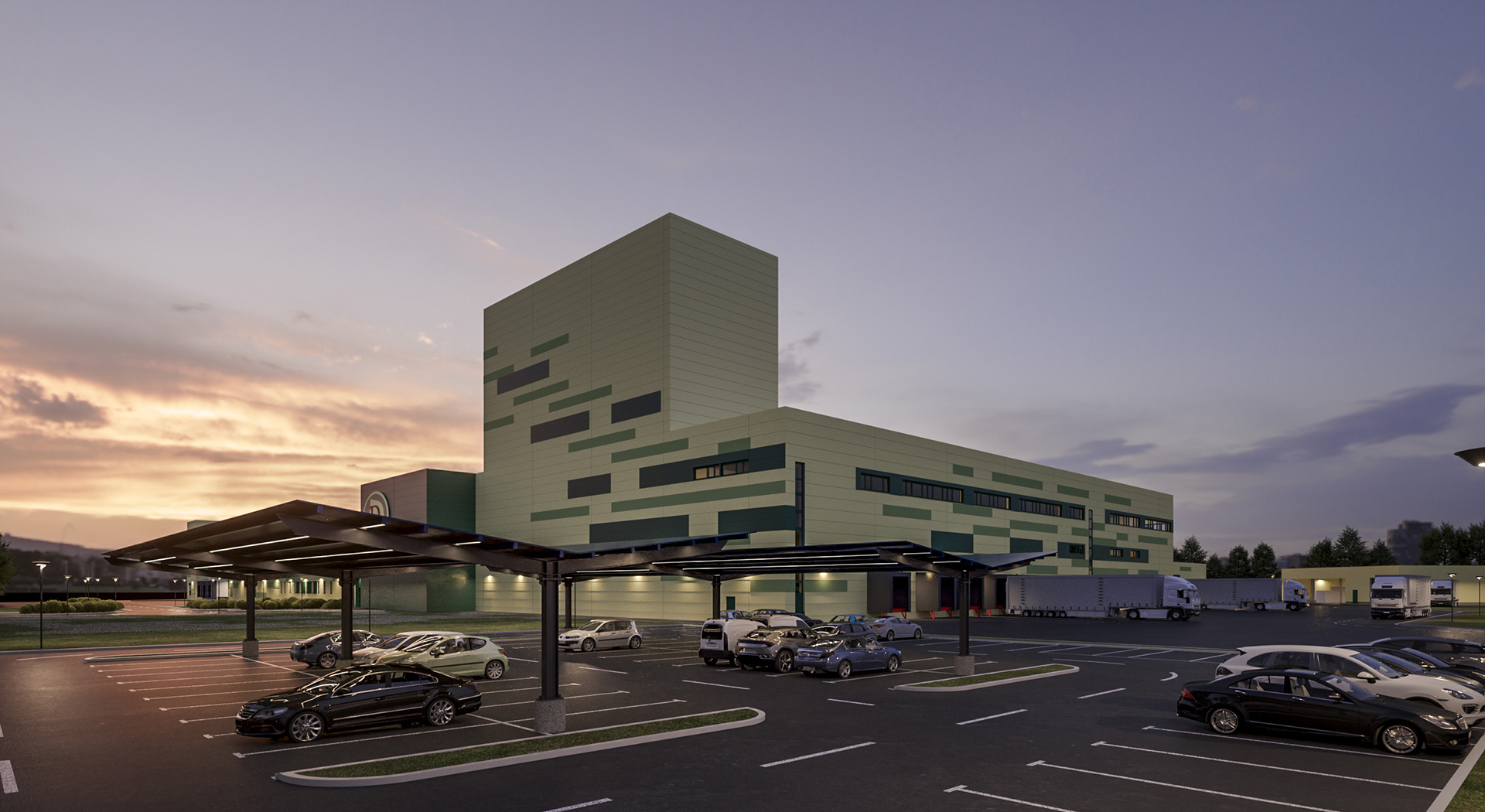
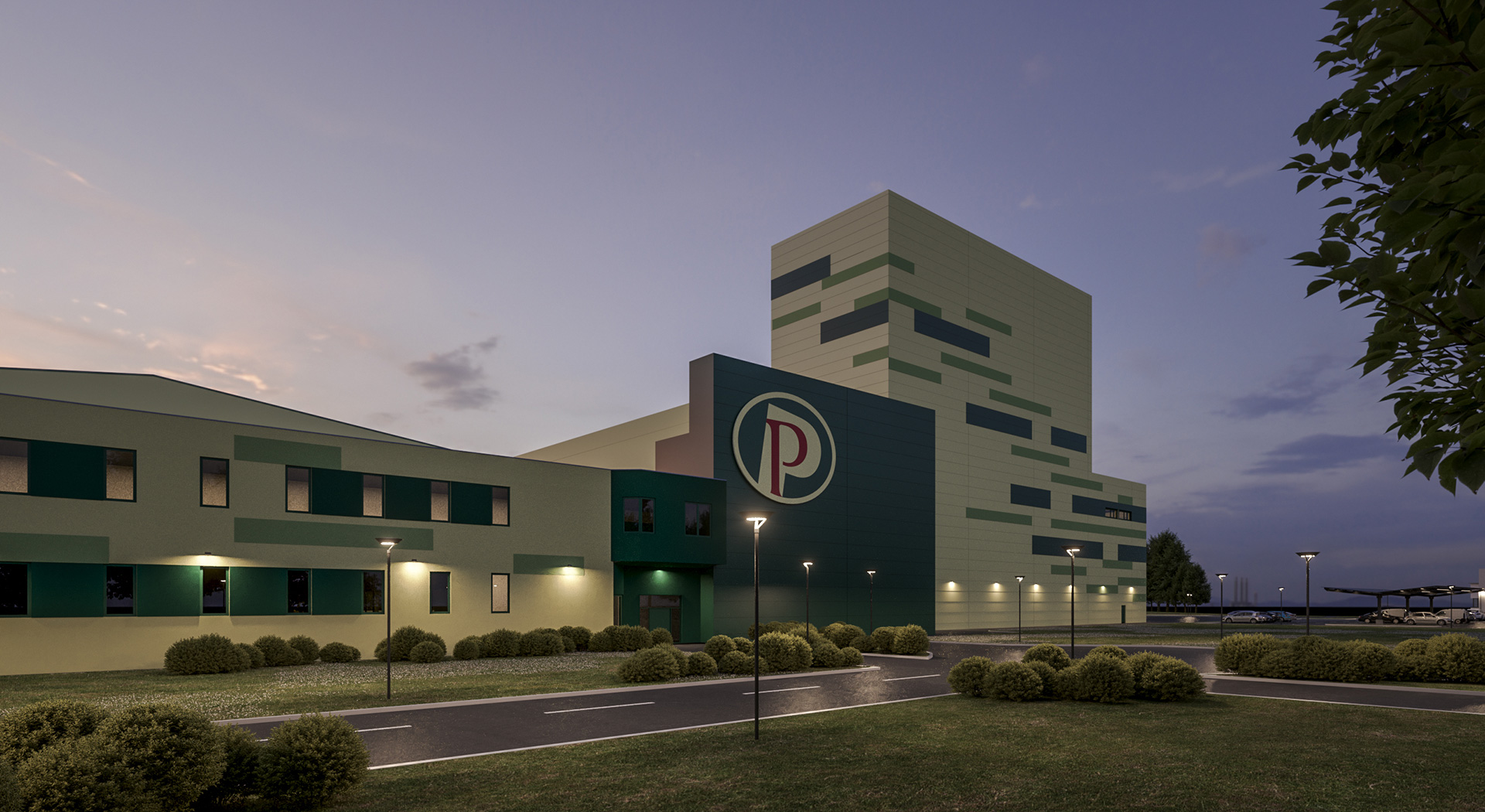
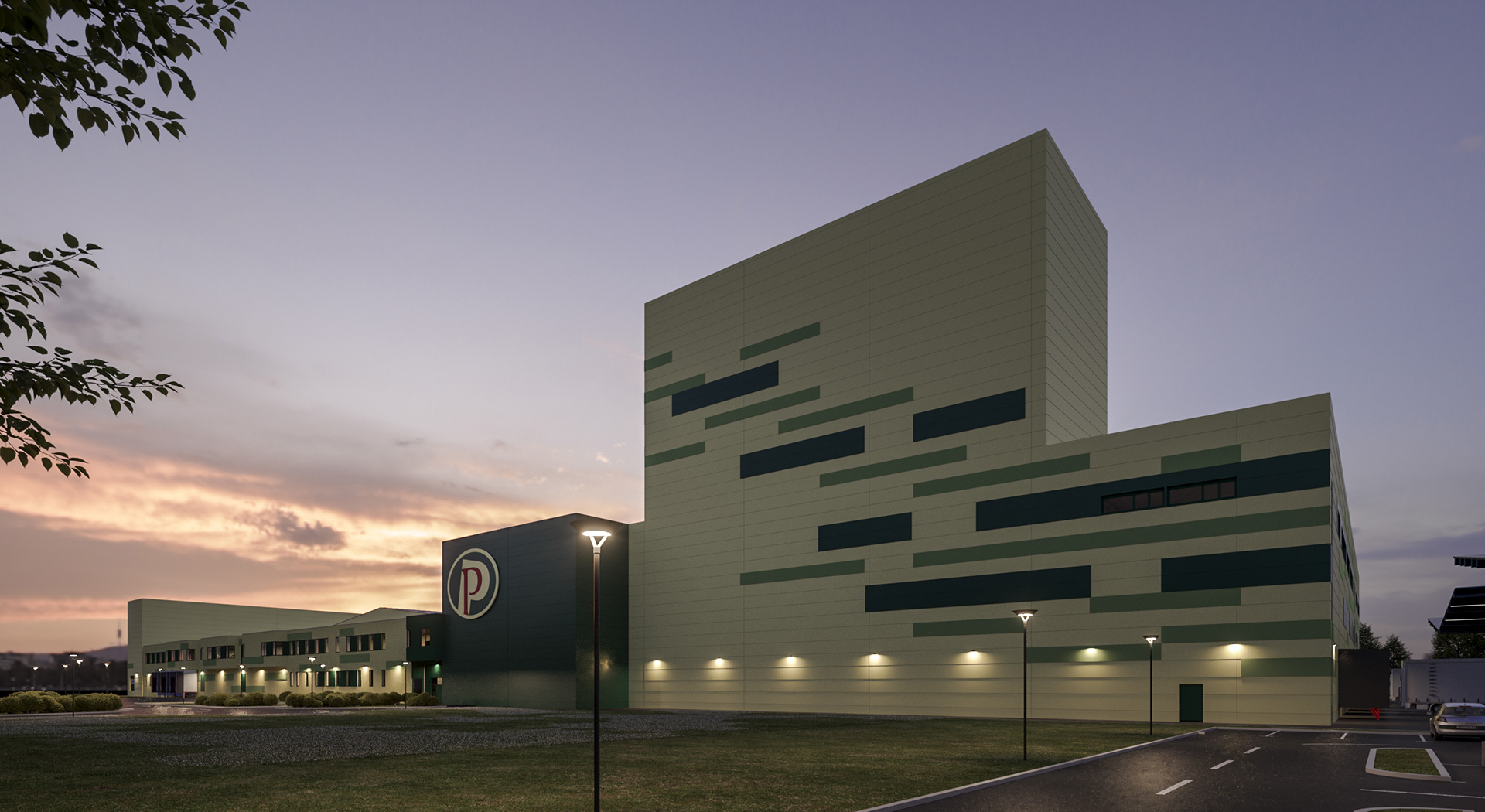
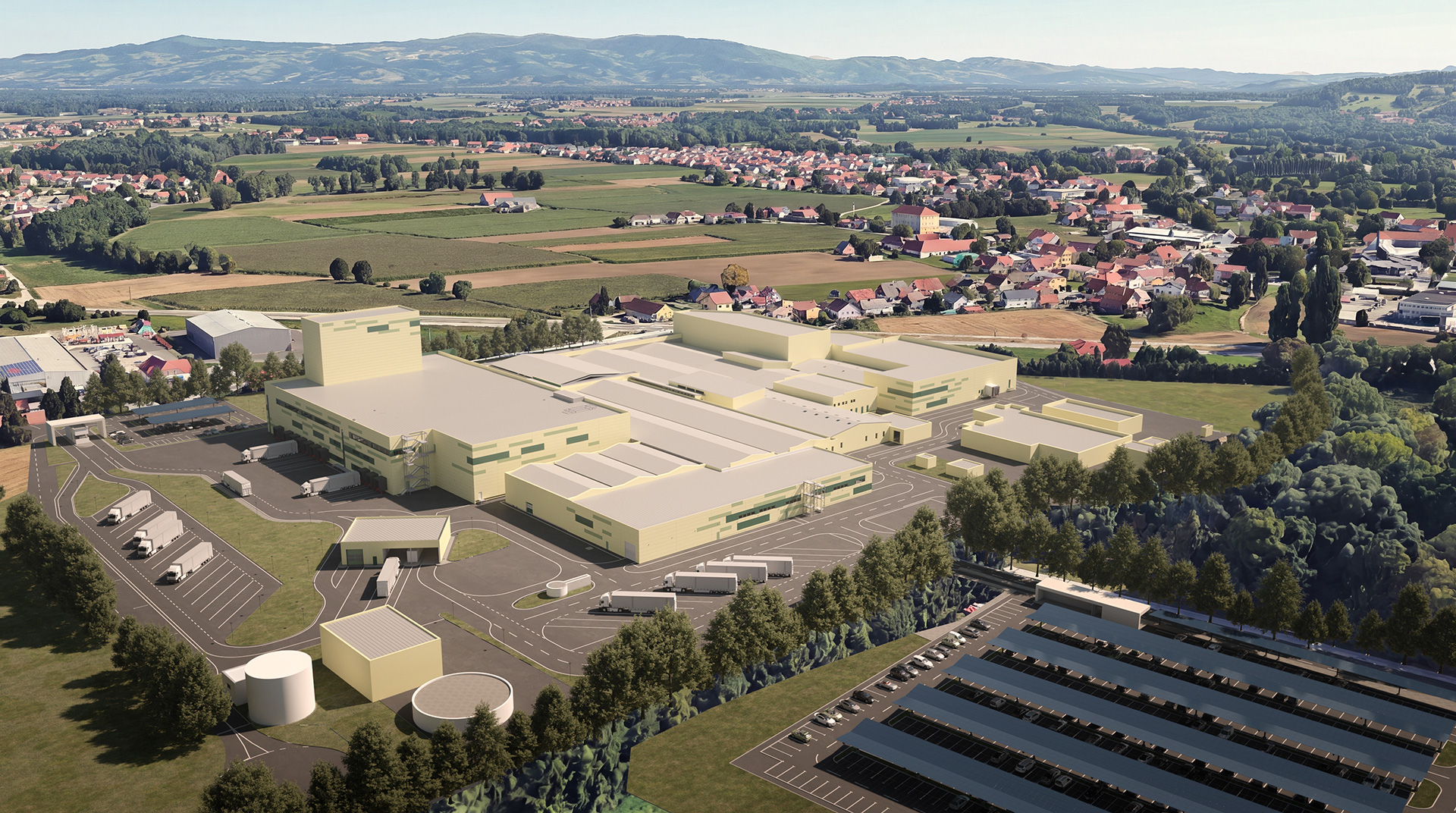
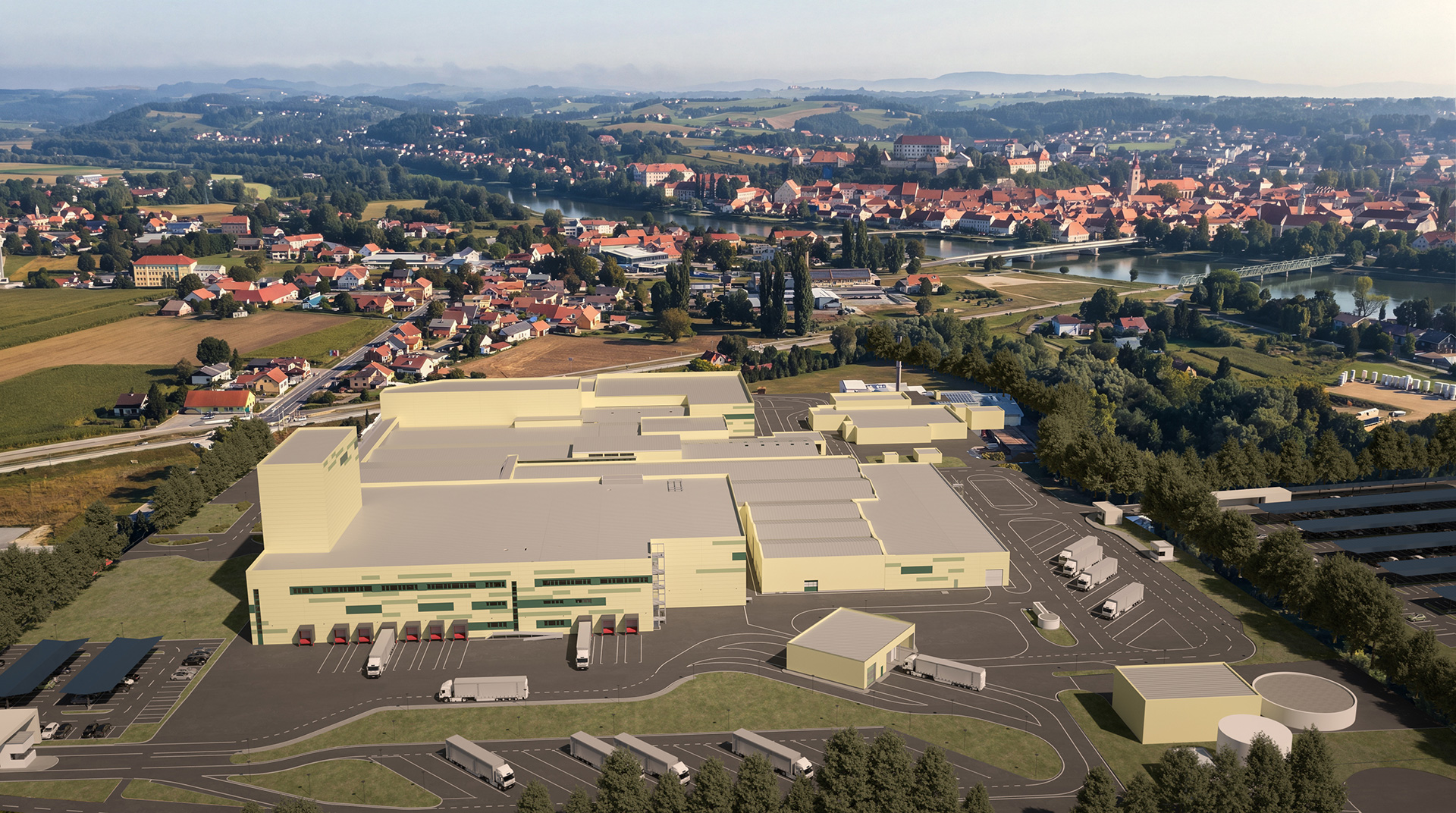
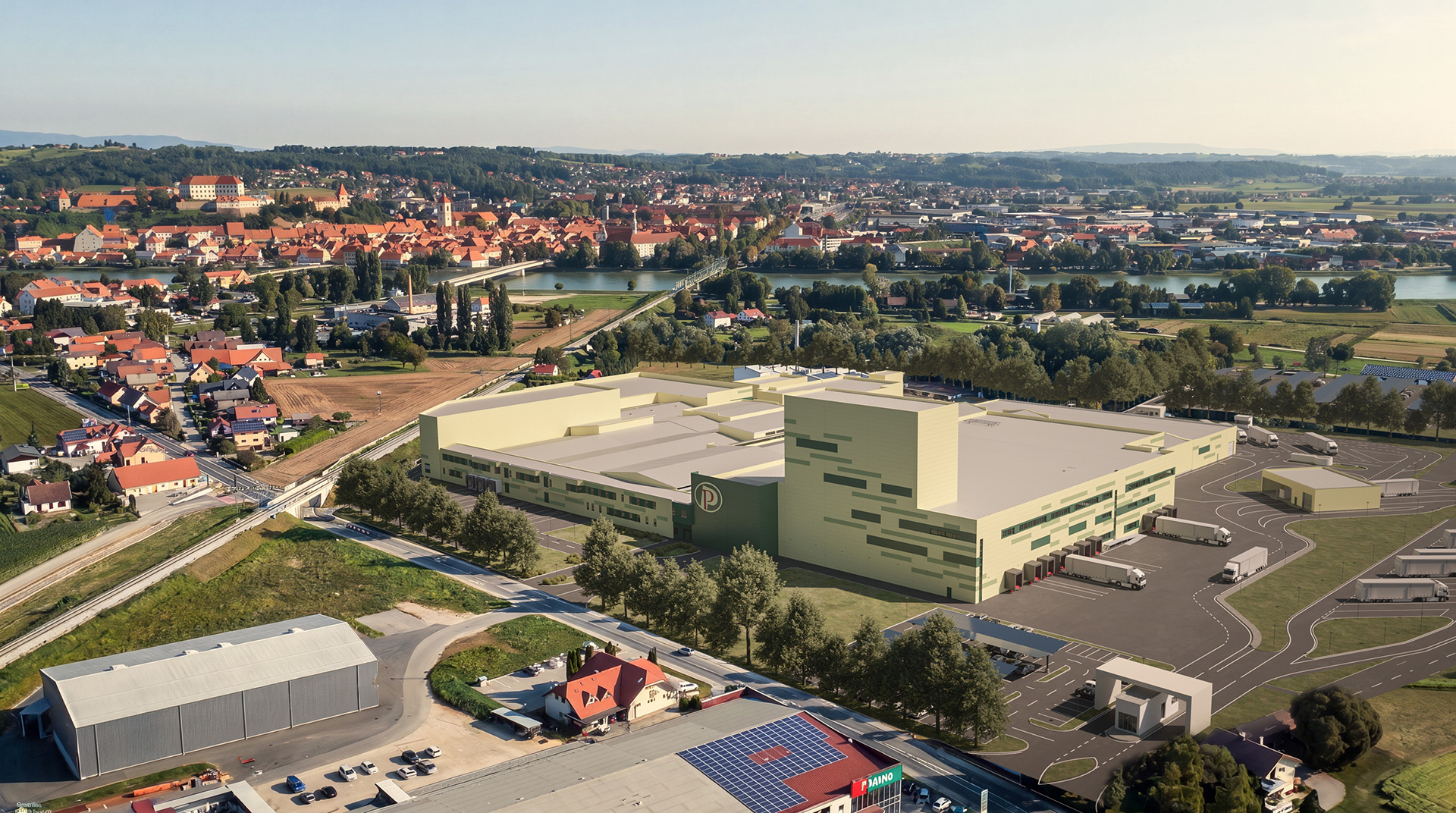
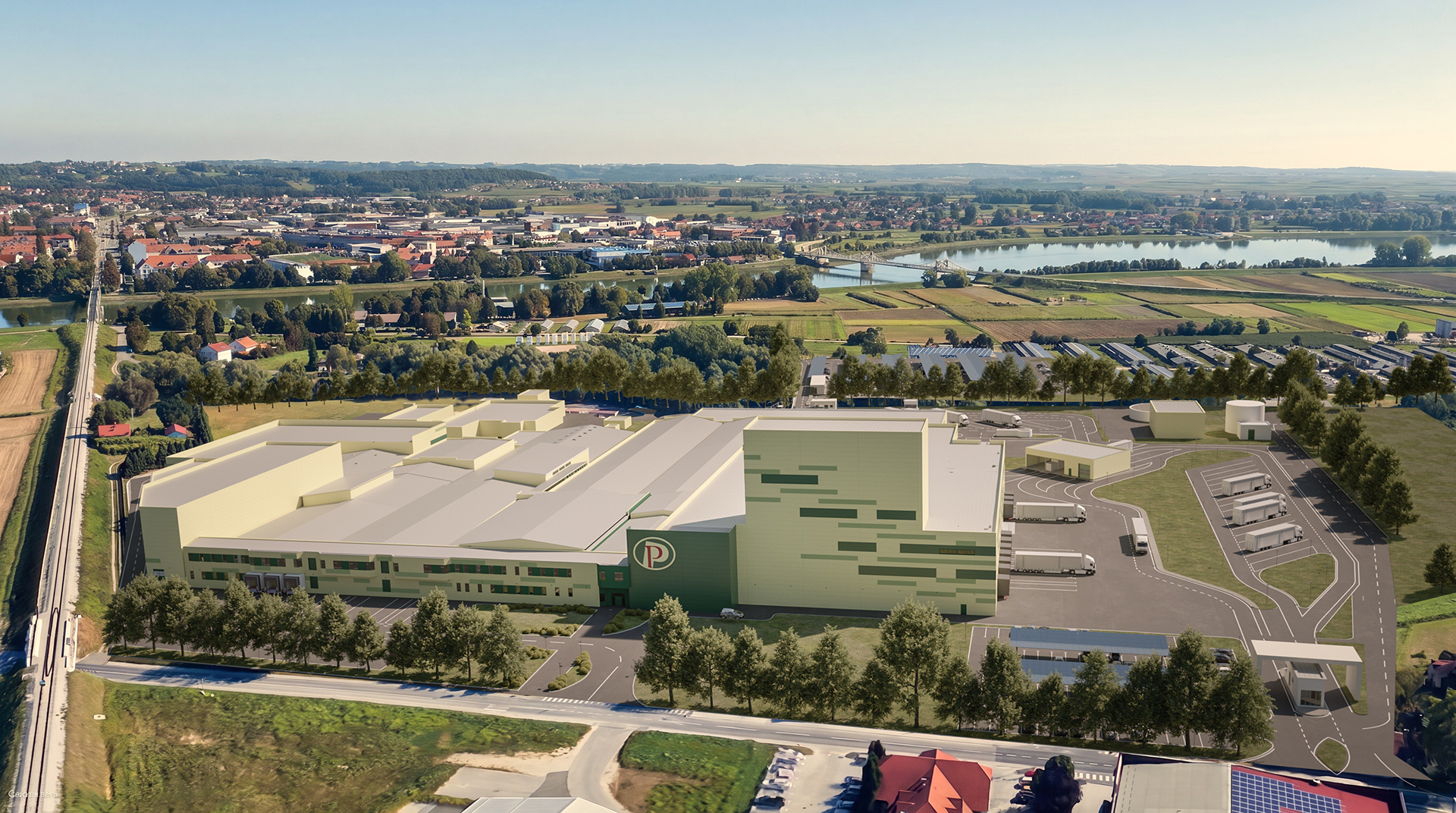
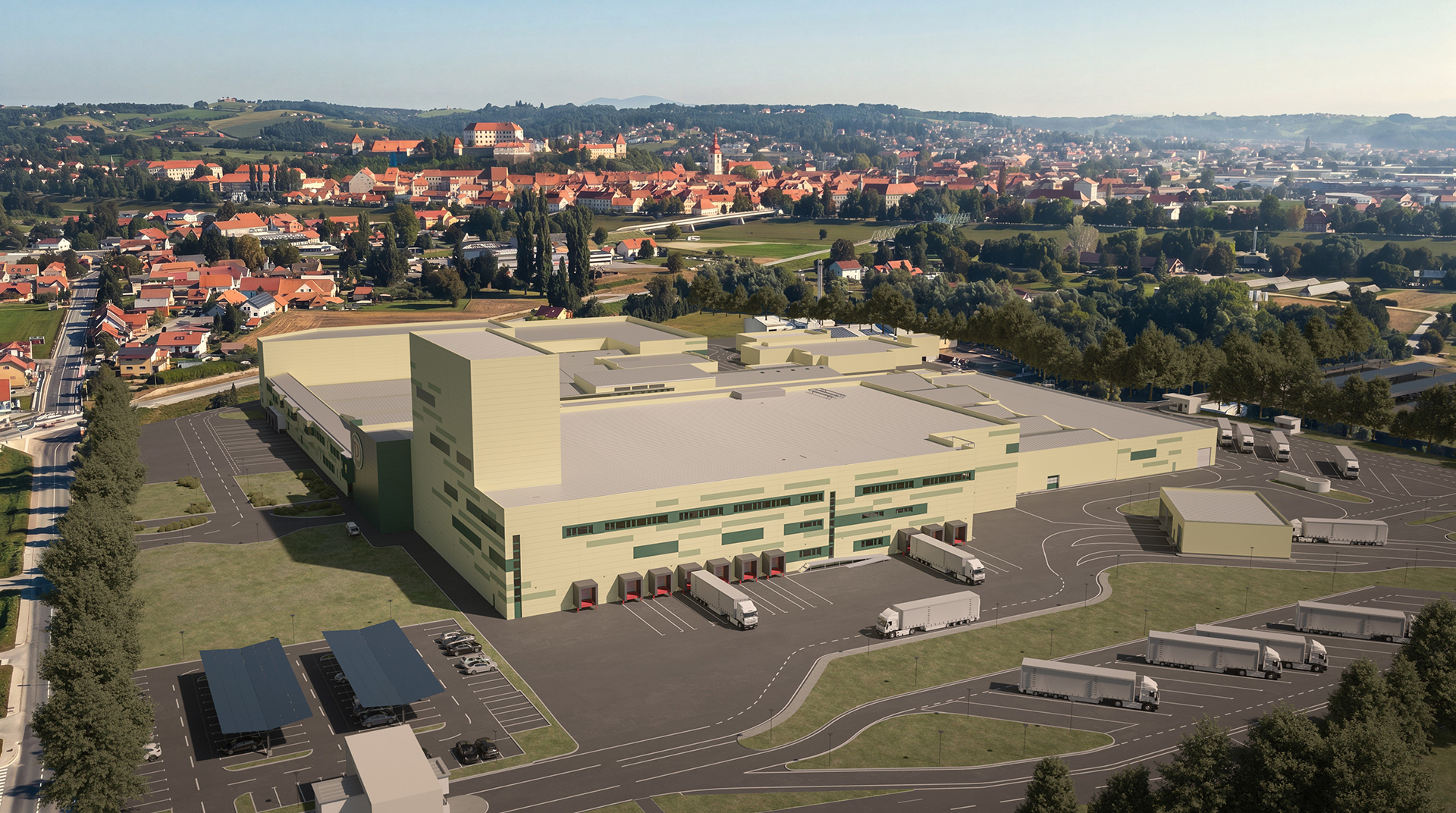
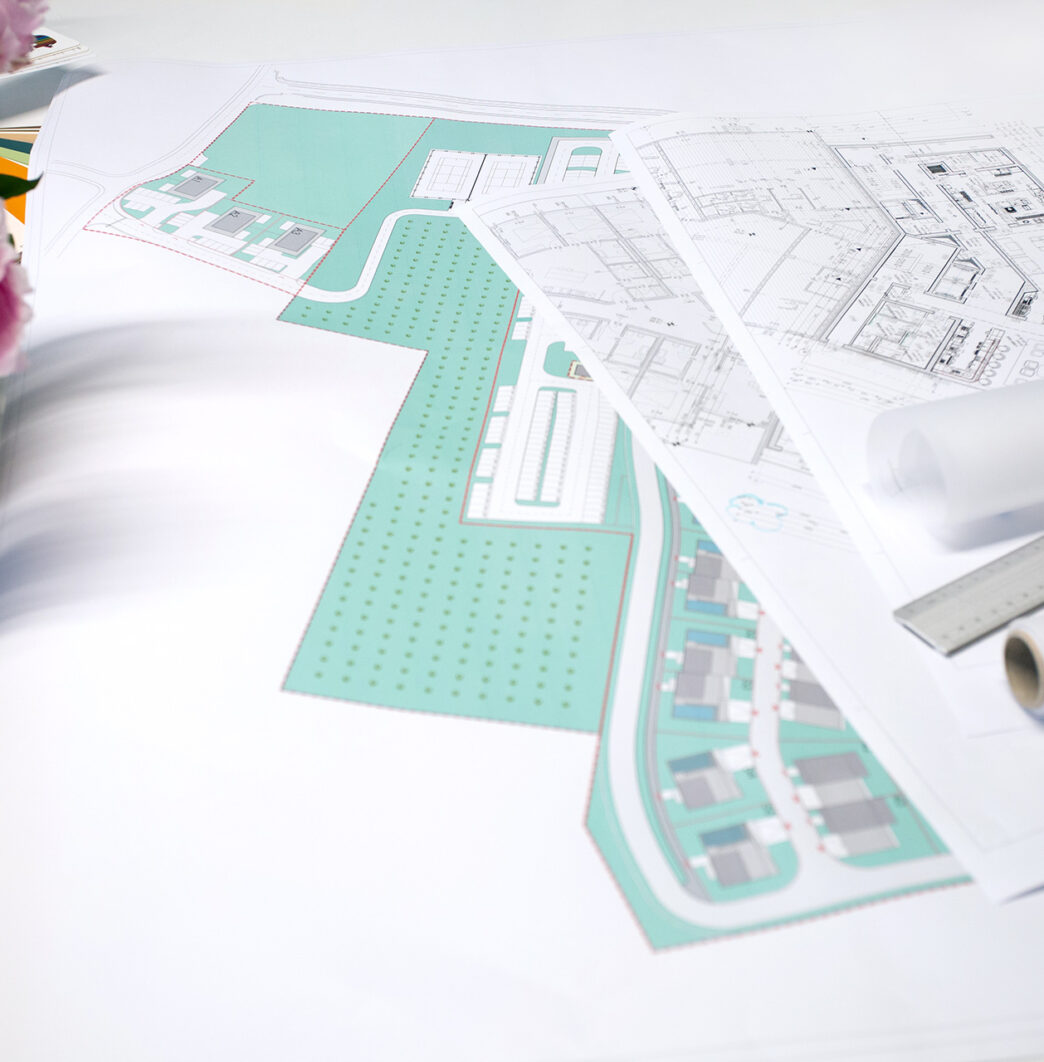
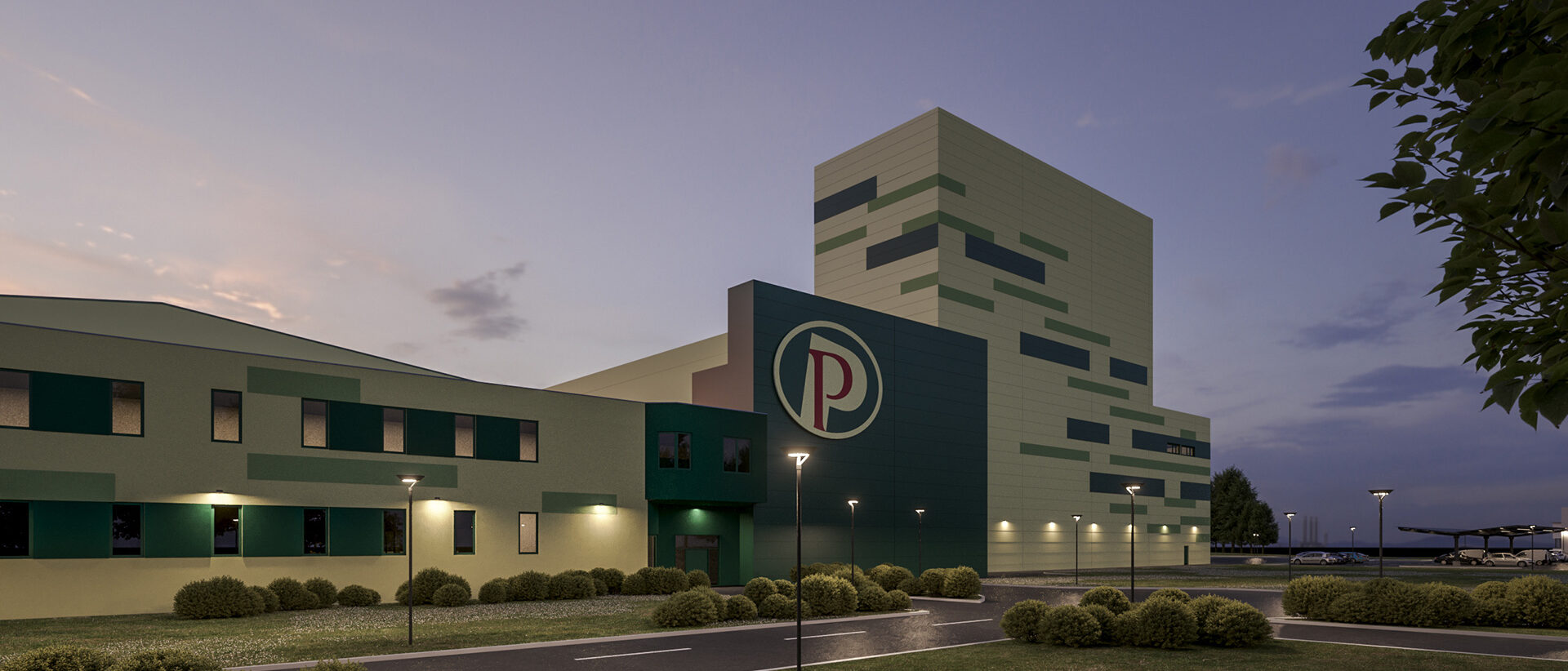
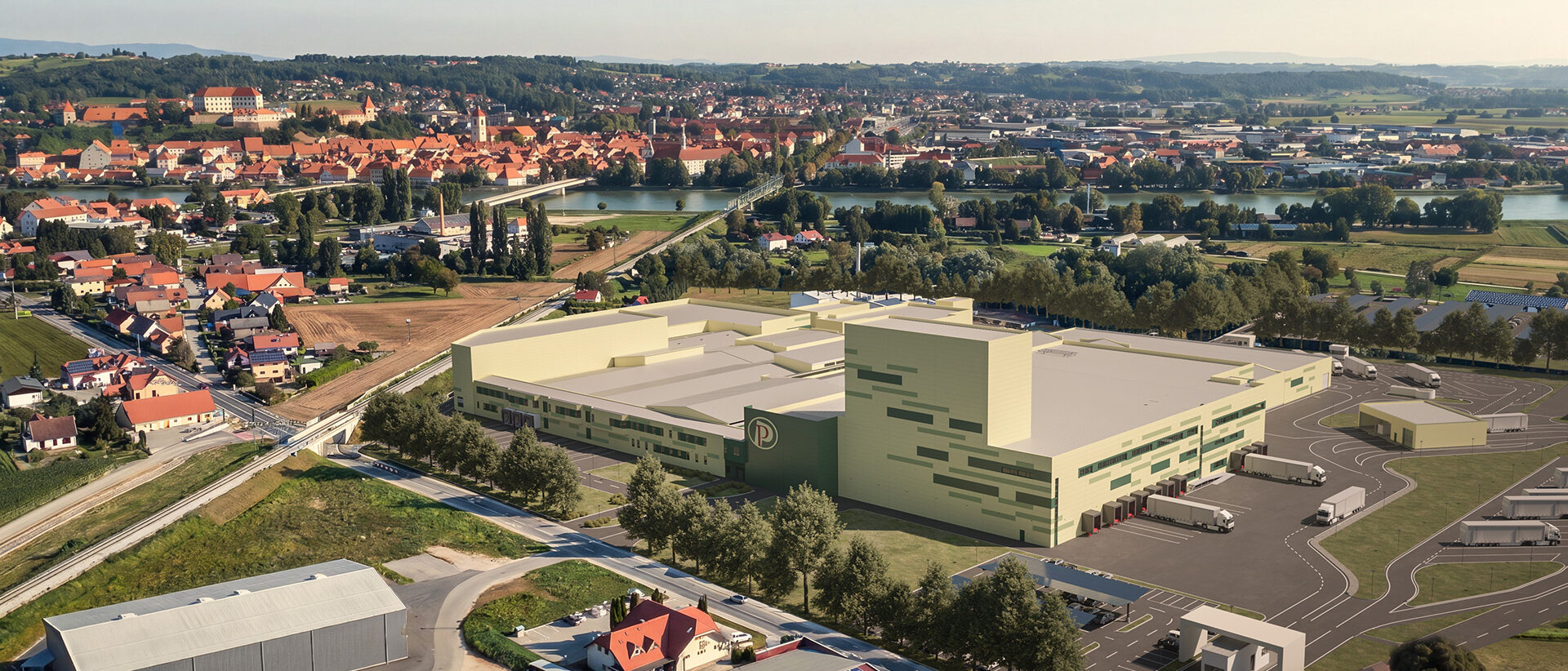
When an investor plans the transformation of an existing industrial complex worth around a hundred million euros, the architectural and engineering challenge far exceeds typical design work, and that is precisely the case with the reconstruction and expansion of the Perutnina Ptuj complex, one of the largest industrial investments in the food industry in southern Europe in the past ten years. Lotus Architecti and LAD1 Studio have taken on the design and coordination of the entire project, which encompasses the reconstruction of 22 existing buildings, the demolition of 12 deteriorated structures and the construction of new production, logistics and auxiliary facilities, and upon completion of all phases the complex will cover more than 52,000 m².
Reconstruction While the Plant Keeps Running
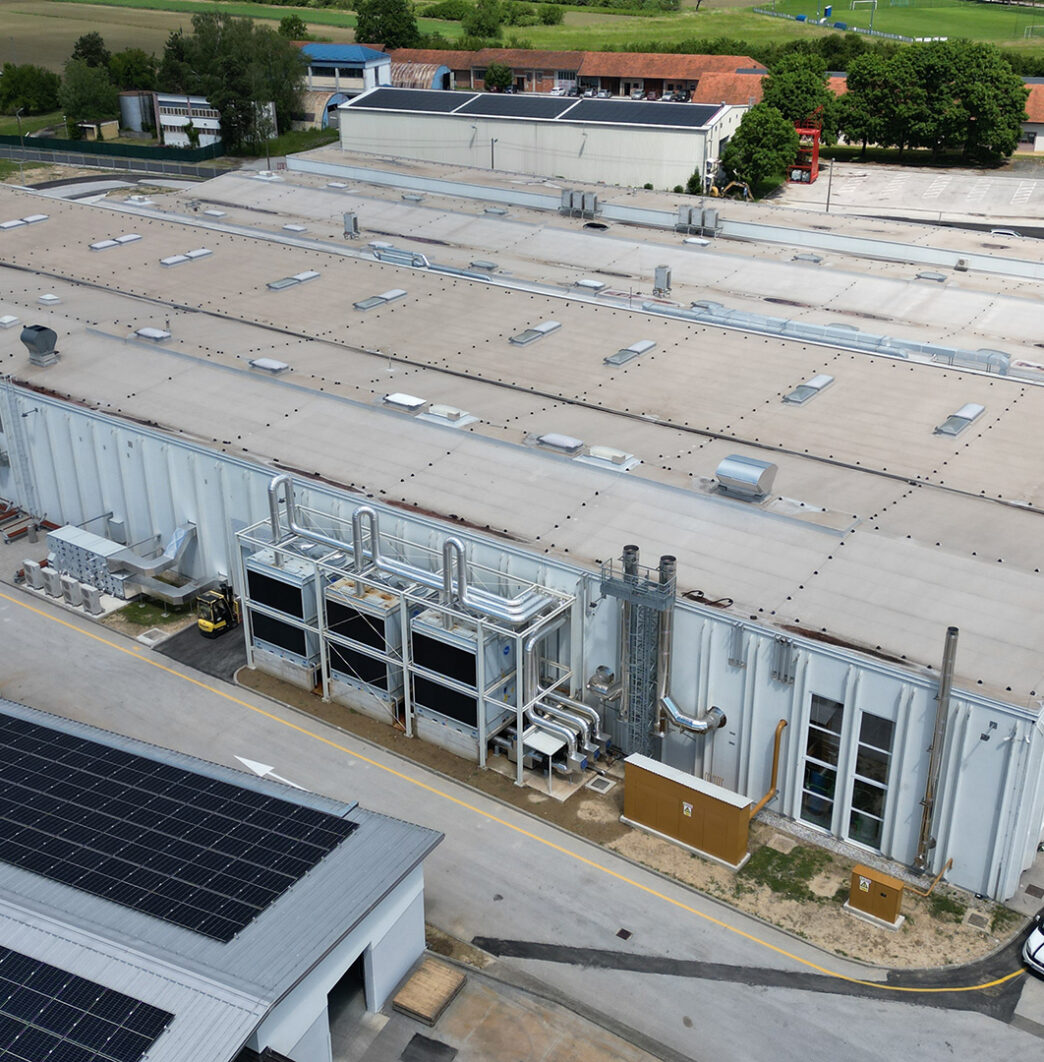
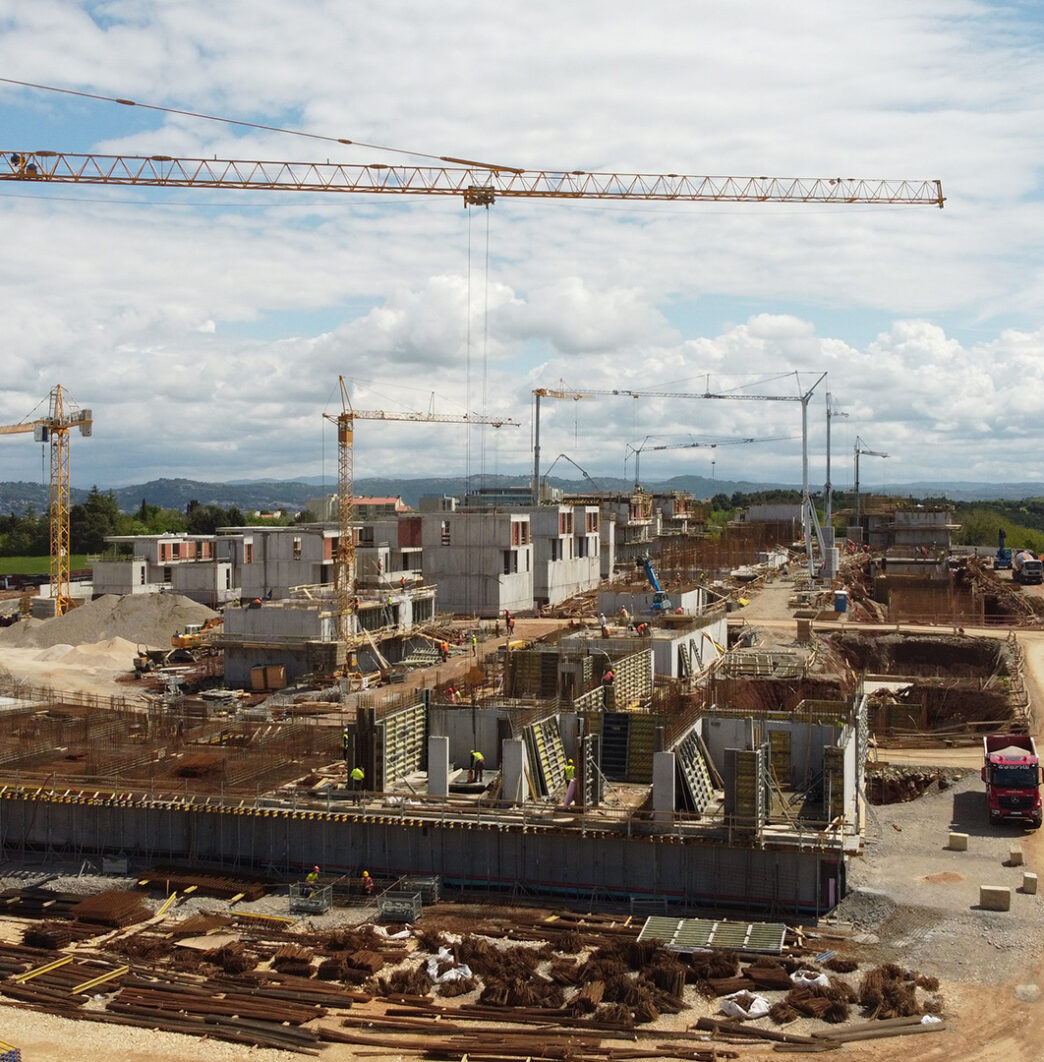
What makes this project particularly demanding is both its scale and the fact that it is not a greenfield development but the reconstruction of an industrial complex that continues operating throughout the entire process. The investment is being delivered in three phases, the first of which, valued at around 100 million euros, begins construction in the first half of 2026, with machinery and equipment for that phase alone estimated at around 55 million euros, which speaks to the technical complexity of the processes the new infrastructure must support. This means that design, permit procurement and construction preparation must all proceed in coordination with uninterrupted production – without stoppages, without overlaps that would compromise ongoing operations and without delays that would push back equipment installation dates.
When Ground Conditions and Loads Dictate the Structure
Every industrial project begins with the ground – literally. At the Perutnina Ptuj site, the soil conditions are unsuitable for standard foundations, which means all new structures had to be built on piles – concrete columns driven deep into the earth to carry the weight of the buildings on a more stable layer of ground below the surface. Added to this is the requirement for storage areas capable of bearing loads of 15 kN/m² at a height of 10 metres – well above standard industrial norms – which required specific engineering proof of resistance to both seismic activity and fire. The structure was ultimately resolved through a combination of prefabricated concrete elements and steel, a solution that simultaneously delivers the construction speed required, the necessary load-bearing capacity and the spatial flexibility needed to accommodate the complex technological flows within the facility.
Energy, Logistics and Safety as Design Parameters
Alongside the production and structural requirements, the project integrates photovoltaic installations on new and existing buildings and on car park canopies with a total capacity of 2 MW, significantly reducing the complex’s dependence on conventional energy sources. A new traffic layout with three road access points has been designed to optimise the movement of freight and service vehicles and to separate clean from unclean logistics zones – something that in the food industry is not only an operational requirement but a regulatory one without which the facility cannot obtain the necessary certifications. The safety infrastructure includes a new sprinkler station and fire water reservoir, bringing fire protection up to the standard required by modern food production facilities. Perutnina Ptuj is thus becoming one of the most technologically advanced production complexes in the region, and for us a confirmation that the reconstruction of existing industrial infrastructure under compressed timelines and with parallel equipment installation is not an exception in our work but an increasingly significant part of what we do. Projects of this complexity require a team that understands the production process as well as the architectural and engineering parameters, and it is precisely that combination of knowledge and experience in managing design, permitting and on-site coordination -while the client never stops producing – that defines what Lotus Architecti and LAD 1 Studio bring to projects like this.
Gallery